
PraxisAsItIs

union CSO protest insecurity OYO
Ibadan, Oyo State.
1 June 2026
Temitope Oladepo

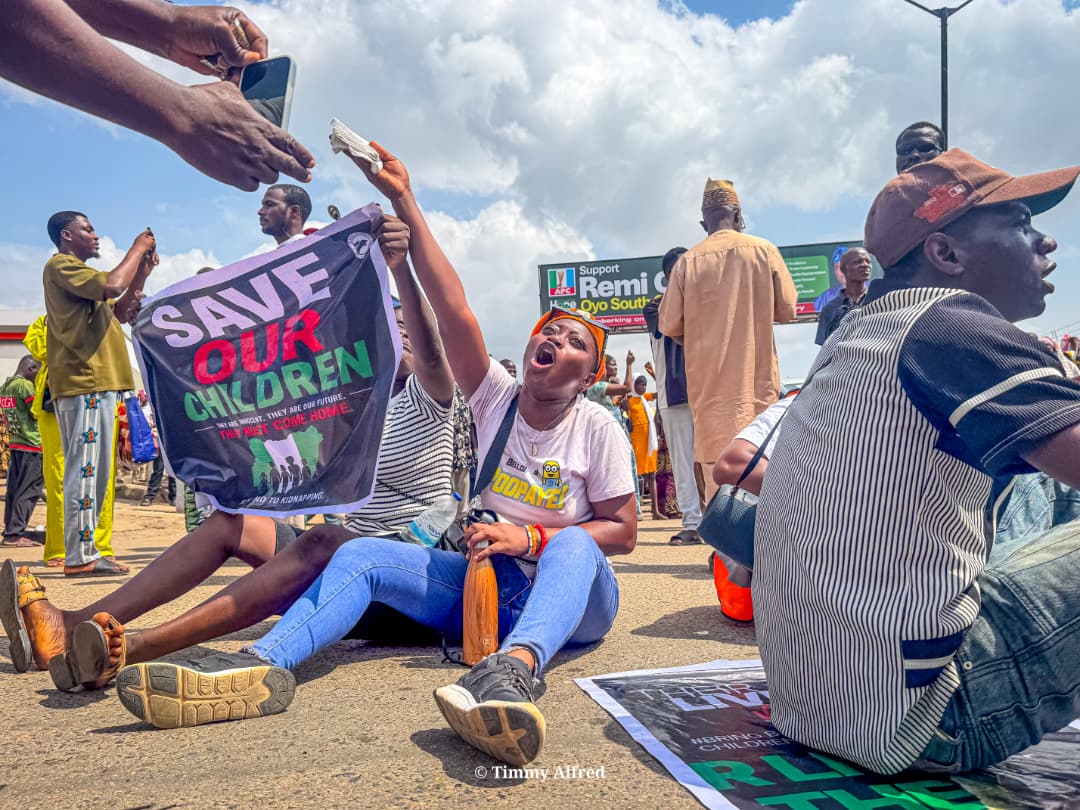
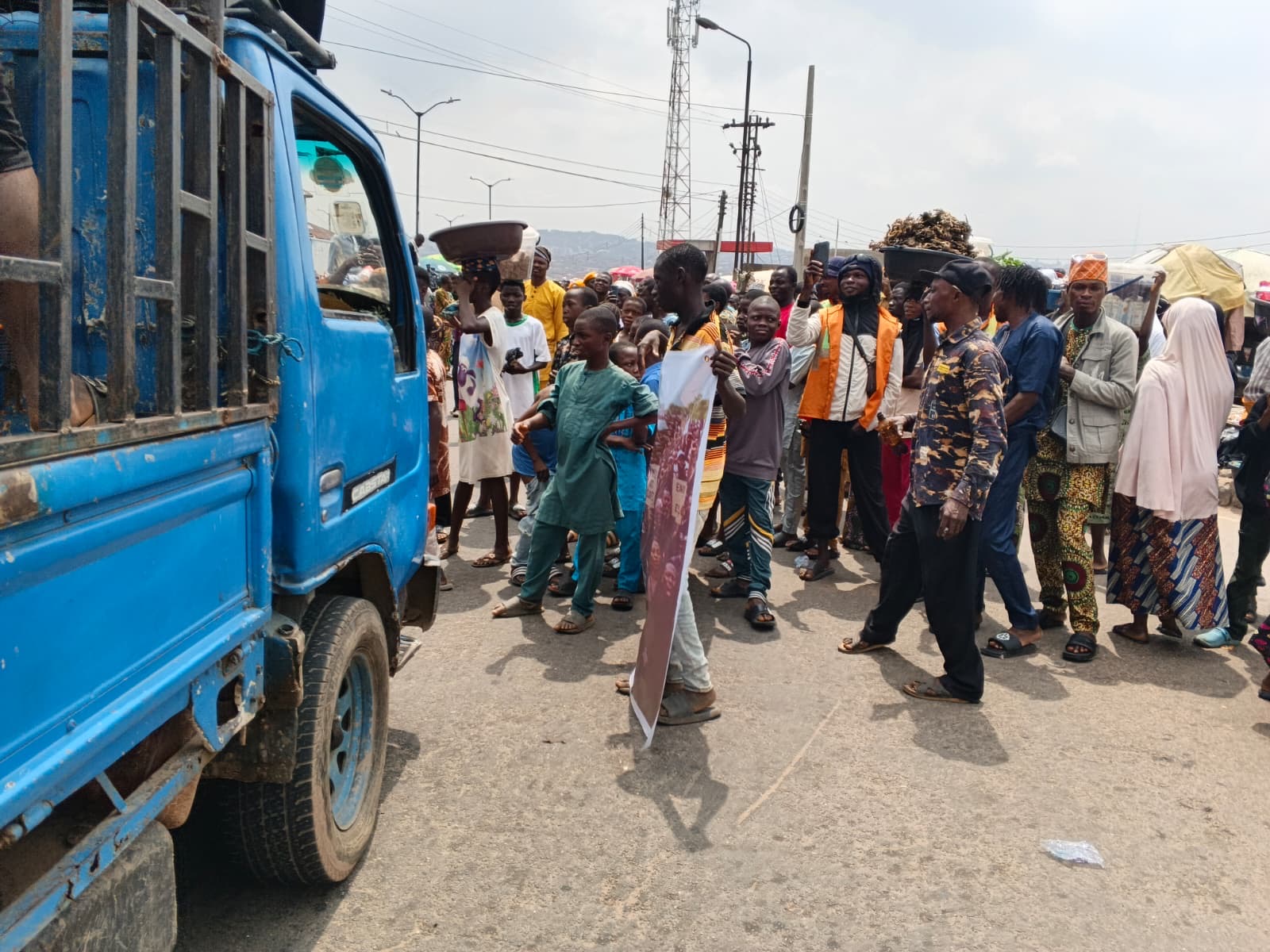
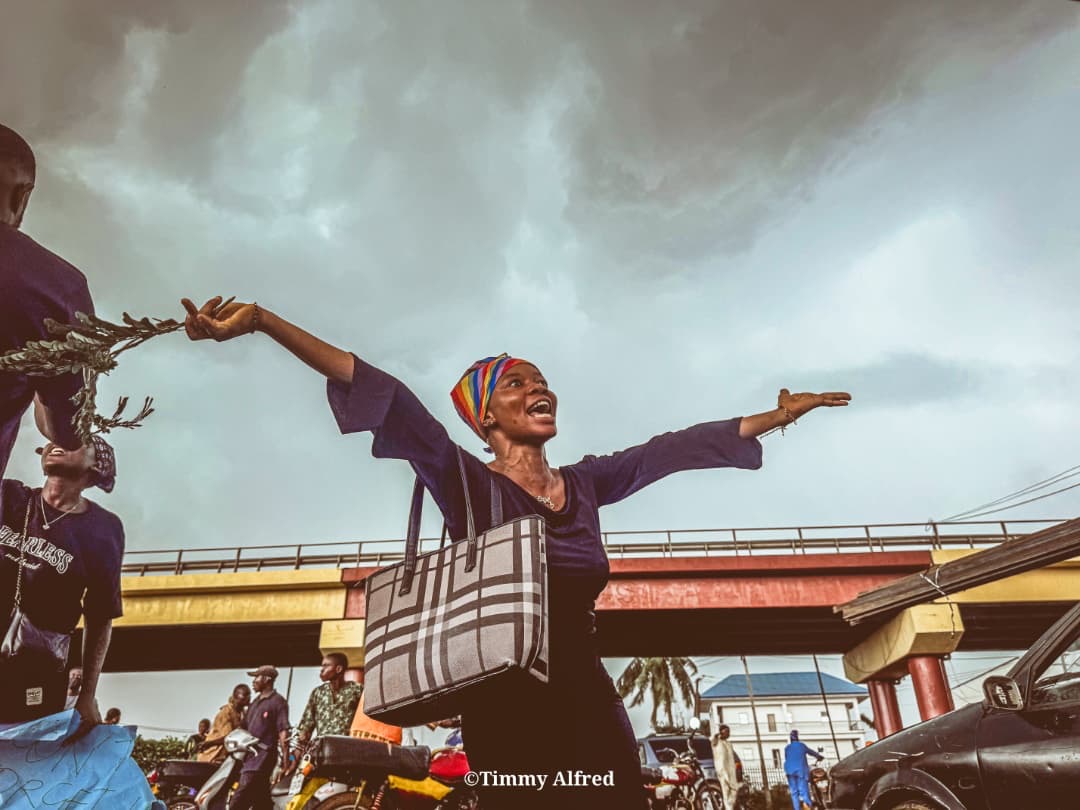
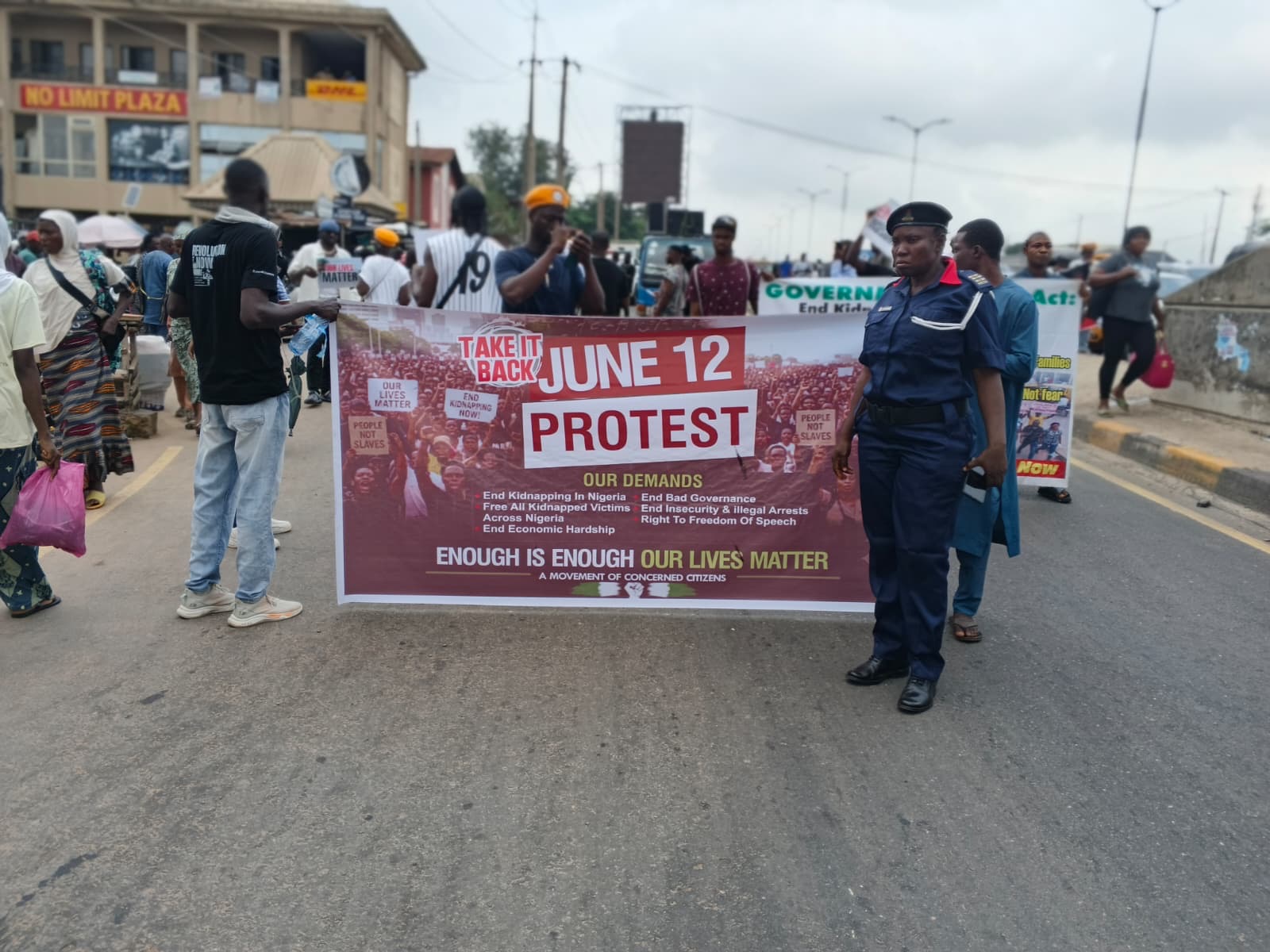
May 15, 2026 was a dark day in the history of Oriire Local Government Area of Oyo State. The peaceful part of the state was marred when armed terrorists carried out coordinated attacks on three schools which included Baptist Nursery and Primary School, Yawota, Community Grammar School, Ahoro-Esinele, and L.A. Primary School, Ahoro-Esinele, resulting in the abduction of 47 students and teachers. According to reports, a teacher—Joel Adesiyan was killed during the attack, while another two — Mr. Michael Oyedokun (a mathematics teacher beheaded in captivity) and Deacon John Olaleye (also killed while held by the abductors) died while in captivity. What followed was a surge of public resistance on a scale rarely witnessed in the state since the 2020 #EndSARS protests, which saw thousands of Nigerians take to the streets against police brutality. The attack reinforced a perception of many Nigerians that such incidents are symptomatic of a government failing in its responsibility to protect citizens. That perception has been strengthened by what critics describe as the government's facade response to repeated attacks across the country, including in Benue, Plateau and Kwara states, where victims and concerned Nigerians have continued to demand more than press statements, condolence visits and the promise of rice. Teachers moved first. Roughly 18 days after the attack, teachers in Ogbomoso suspended academic activities and marched to the office of the Oyo State Teaching Service Commission (TESCOM) to demand government action. Afterwards, the Nigeria Union of Teachers escalated it into a strike. On Sunday, May 31, the NUT's Oyo State wing, led by secretary Salami Olukayode, declared an indefinite strike across all 33 local government areas of the state. Compliance was total in Ogbomoso and the Ibarapa axis, and widespread across Ibadan's local government areas — Akinyele, Ibadan North, Ibadan South-East, Ibadan South-West and Oluyole all recorded school closures. The first morning in June witnessed civil society organisations, social movements, residents and concerned Nigerians troop out in their numbers to demand an end to the rising insecurity and particularly, the immediate rescue/release of the 47 abducted students and teachers. Members of the Take-It-Back Movement, joined by teachers, schoolchildren and the Ratel Movement, marched from the Mokola roundabout passed through the University College Hospital and marched directly to the secretariat, carrying placards reading "#BringBackOurChildren,", “#EndInsecurityNow”, "47 Abducted, Scared and Alone," and "Stand Up! Speak Out." The demonstration disrupted traffic on key routes through the city. Protesters framed their demands broadly — not just the rescue of the Oriire captives, but safer roads for farmers and traders, and improved security statewide, tying the abduction to a wider pattern of kidnappings the state had been experiencing. The response spread beyond Oyo State's borders as the resistance triggered protests in various parts of the country like Ogun, Osun, Lagos, Kwara, and the Federal Capital terriority. On June 2, education stakeholders in the Ogbomoso zone — NUT, the All Nigeria Confederation of Principals of Secondary Schools (ANCOPSS), the Association of Primary School Headmasters/Mistresses of Nigeria (APSHON), and local TESCOM offices — organised a "solidarity walk," directing all teachers in the zone to participate, and set aside the following Wednesday for prayer for the victims. That same week, the NUT's national leadership directed simultaneous protests in all 36 states and the Federal Capital Territory, framing Oriire as a national crisis for the education sector rather than a localised Oyo problem. Teachers in Lagos staged their own demonstration under this directive, explicitly citing the Oriire abductions and raising broader concerns about school safety nationwide. The protests continued through the first four days of June, before protesters agreed to pause and reconvene on June 12, a date of historical significance in Nigeria’s political history. Throughout the demonstrations, protesters marched from one location to another across the state capital, with similar mobilisations taking place in Ogbomoso. By June 22, the anger had again reached the streets. Hundreds of protesters gathered around Iwo Road in Ibadan, partially disrupting traffic while demanding that government and security agencies intensify efforts to rescue the children and teachers. Placards carried messages including “Government Must Act,” “End Kidnapping in Oyo State,” and “End Insecurity Now.” The demonstration also included prayers for the safe return of the victims. Gift Erupre, one of the organisers of the protest, recalled how protesters were attacked on the second day of the protest by leaders of National Association of Nigerian Students who were allegedly acting on the directive of the federal and state government. She expressed her anger and dissatisfaction on the actions of NANS. "It is so sad to see NANS, the body that is supposed to spearhead the struggle for the release of the abducted students and teachers take the side of the government and help harass people who are demanding for their rights to be better protected." She said. The resistance ended on Friday, 26th June, 2026 with candle light procession for the slain teachers.

Community Action
File 02

What did we learn?

One of the key takeaways from the action was the undermining of the long-held perception that South-West Nigeria enjoys some form of “immunity” from insecurity, and that insecurity is largely a Northern Nigerian phenomenon. The Oriire abduction exposed the vulnerability of communities and the security architecture in the region while deflating the assumption that geographical location or tribe offers protection from the country’s worsening security crisis. Also, the resistance is important because it shows that the response to insecurity cannot limited to military operations. This was evident Teacher Unions withheld normal activity, civil-society groups mobilised, students and residents joined demonstrations, and ordinary citizens transformed the kidnapping into a public political demand. The central message was straightforward that the captivity of children could not be treated as another statistic in Nigeria's security crisis. Furthermore, the resistance reaffirmed the long-standing position of the Left: “If we fight, we may win; if we don’t, we have already lost.” The resistance kept the issue in the public consciousness, placed pressure on government and demonstrated that ordinary people can challenge the normalisation of injustice through collective action. The struggle may not always produce every desired outcome, but the decision to resist creates the possibility of change where silence would leave none. Perhaps the clearest lesson is about leverage. In a system where official channels appeared to move with deception and with limited transparency, it was collective action, including the withdrawal of labour and disruption of public routines that created meaningful pressure for a response. The protests demonstrated that when institutions fail to respond with sufficient urgency, organised citizens can use their collective power to make inaction politically and socially costly. The lesson was therefore not simply that people can protest, but that collective action can become a mechanism through which ordinary people demand accountability from institutions that might otherwise remain unresponsive. Ayodele Aduwo, a student-leader and one of the organisers of the protest expressed his perceived lessons of the protest said, “As a youth and citizen, the most memorable lesson from our demonstration was the power and value of bringing our voices together. The series of demonstrations held over the abduction of teachers and pupils/students following the incident in Oriire Local Government Area contributed to compelling the APC-led federal government and the Seyi Makinde administration in Oyo State to remain uncomfortable until our fellow citizens who were abducted regained their freedom. “As a country desirous of peace, progress and development, the importance of exercising our right to freedom of expression and peaceful assembly cannot be overemphasised. These rights are beneficial to society only when we actively exercise them rather than sit back and do nothing.” Aduwo added.

File 03

What is still unclear?

The rescue of the abducted pupils and teachers brought an end to their captivity, but it did not bring an end to the questions surrounding the Oriire abduction. Several important issues remain unclear, particularly concerning how the attack happened, what happened to the victims while they were in captivity, and what is being done to prevent a recurrence. One of the biggest unanswered questions is what the investigation into the abduction has established. How were the attackers able to enter the affected communities, target the schools and leave with such a large number of victims? Was there intelligence available before the attack that was missed or not acted upon? Were there identifiable security gaps around the schools and surrounding communities? There is also the question of the psychological condition of the victims. The physical rescue of the pupils and teachers was undoubtedly crucial, but their experience of weeks in captivity may have consequences that are not immediately visible. For the children in particular, returning home does not necessarily mean that the ordeal is over. Are they receiving professional psychosocial support? Are their families and the affected teachers receiving similar assistance? Has there been a long-term plan to support their recovery and reintegration into school and community life? Perhaps the most pressing question concerns the government's security architecture. What has actually changed since the abduction? Will schools in vulnerable communities receive additional protection? How will intelligence gathering around the Old Oyo National Park and other forest corridors be strengthened? What mechanisms exist for cooperation between the military, police, Amotekun, local vigilantes and community leaders when early warnings emerge? Deploying security personnel after an attack may provide an immediate response, but preventing another Oriire requires a system capable of identifying and responding to threats before they become another kidnapping. Lastly is question that remains unclear about the exact circumstances surrounding the victims’ return. Were the pupils and teachers rescued through a security operation, or were they released by their abductors under circumstances that have not been fully disclosed? While authorities have described the outcome as a rescue, the public deserves greater clarity on what transpired in the final stages of their captivity, including whether negotiations, ransom demands or other concessions were involved.

Media

Gallery

union CSO protest insecurity OYO

If any of these media items belong to you, please inform us so we can appropriately acknowledge you.