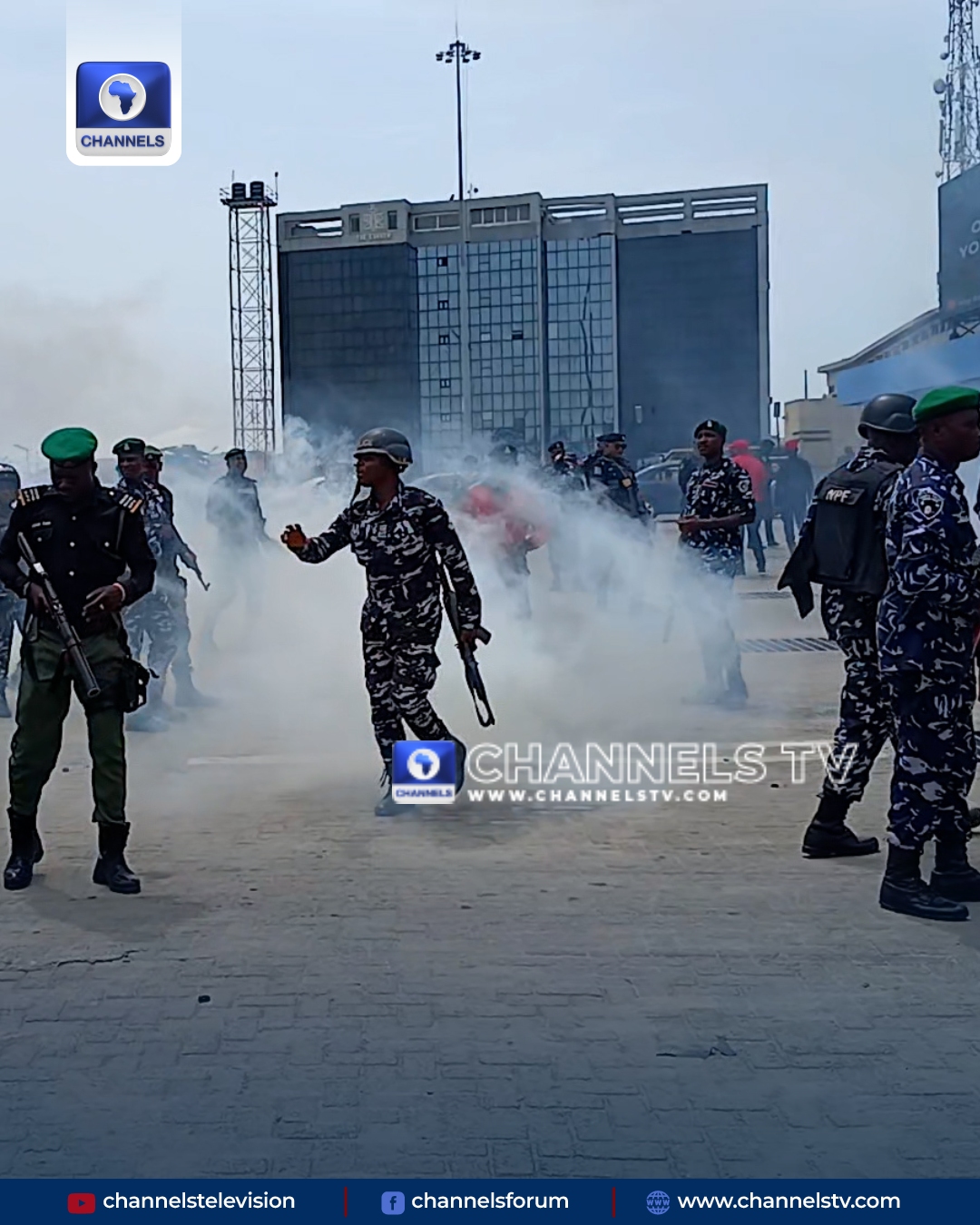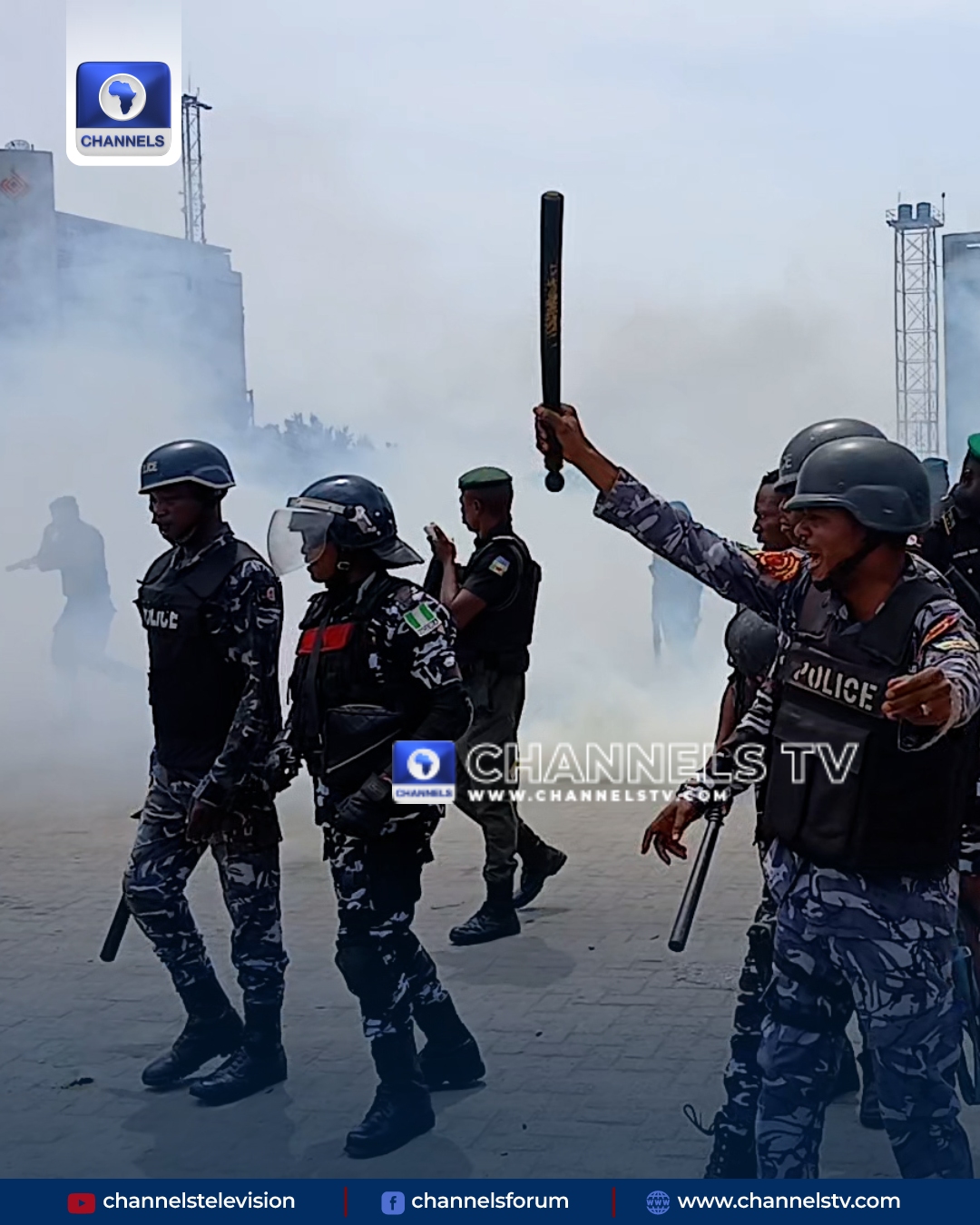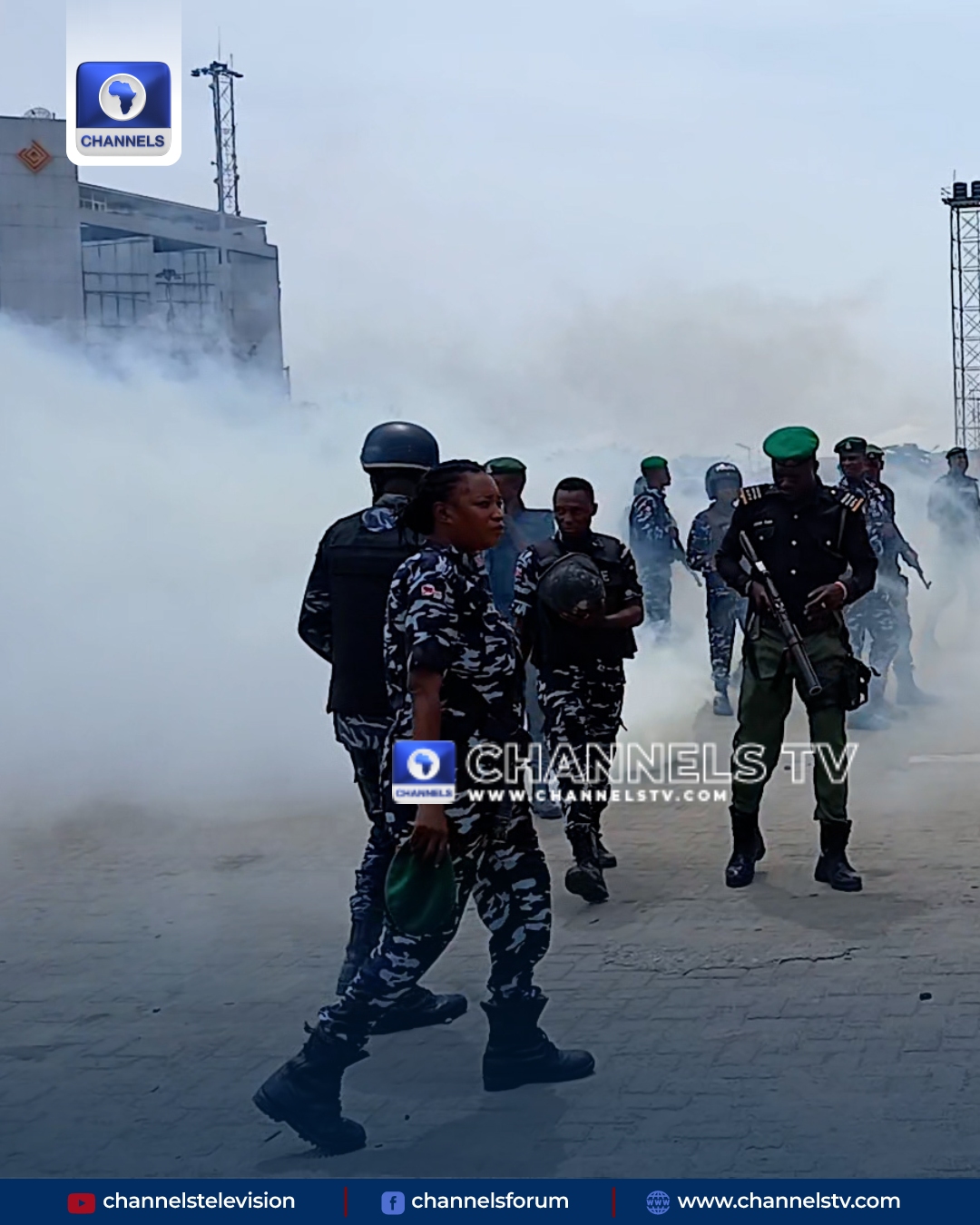
- Lekki 2nd Toll Gate, Lekki-Epe Expressway, Eleganza, Lekki Peninsula II, Eti Osa, Lagos State, Nigeria
- 20 October 2026
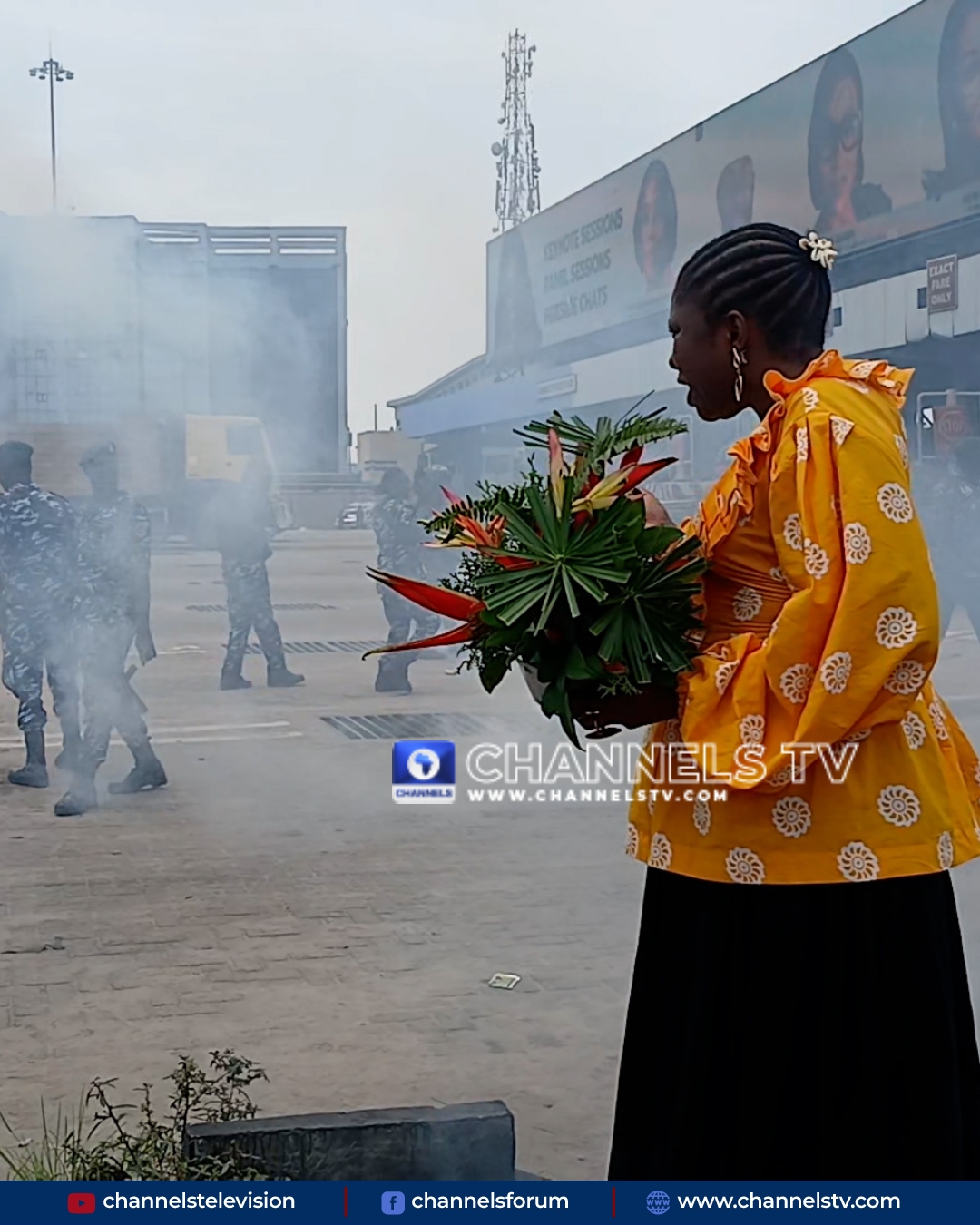
- Temitope Oladepo interviewing Mobolaji
The 2020 #EndSARS revolt was a movement against police brutality and by extension, bad governance in Nigeria. It was a movement that demanded accountability from the Nigerian policing institution, especially its most notorious arm, Special Anti-Robbery Squad (SARS). Instead of dutifully discharging its duties of crackdown on robbers, SARS became notorious for widespread human rights abuses, including harassment, extortion, torture, and extrajudicial killings. When Nigerians had it up their necks, the resistance started via online campaigns and social media outrage before the protest started officially on October 8 to October 20, in major cities, including Lagos and Abuja. Other than addressing the immediate demands of the citizen-protesters, the Nigerian state in its ever-repressive self under the leadership of Muhammadu Buhari and the Nigerian police led a nationwide crackdown on protesters. Many were teargassed, arrested, detained and jailed. On October 20, 2020, Nigerian security forces, particularly the Nigerian Army opened fire on peaceful #EndSARS citizen-protesters gathered at the Lekki Toll Gate in Lagos. According to many reports, the protesters were holding the Nigerian flag and singing the national anthem when the shooting occurred, marking a tragic turning point in the nationwide youth-led movement against police brutality. Findings from organisations like Amnesty International said that at least 12 people were killed on October 20, 2020, during the military and police crackdown at the Lekki toll gate and Alausa protest grounds and over 56 people lost their lives nationwide. Against this backdrop, conscious Nigerians have consistently held memorials for those who lost their lives, and the 6th memorial happened on October 20, 2026 but the Nigerian state and the Nigerian state have learnt no lesson from the #EndSARS revolt. Recalling her ordeal and the actions of the Nigerian police, Mobolaji spoke to the Praxis as it is team; "I was invited to a non-partisan memorial for the #EndSARS victims. I went because I wasn't in Nigeria during the last EndSARS, and paying my respects was something that I felt honored to be invited to do. Upon our arrival with no weapons, just with flowers, however, the Man-O-wars were telling their staffs to throw away our flowers, basically. And then, we were being intimidated. They told us we couldn't stand but they could and do what they wanted, but we couldn't stand where we wanted to stand. They made us go all the way to the side of the tollgate, which we ended up doing. Before you know it, the Man-O-wars started signing war songs while gyrating and marching." According to her account, what followed the gyrations was rounds of teargas, which came without the protesters provoking either the police or the Man-O-war members. "At first, I was shocked, thinking it was a mistake, and that there's no way such could happen on a day like this, but no, it was intentional. The teargas never stopped coming massively till the point that a lady who was losing her breath was quickly taken to the hospital by Funsho Doherty, one of the Gubernatorial aspirants in Lagos state." she added
Police Accountability