- Obafemi Awolowo University, Ile-Ife
- 16 June 2026
- Francis Ohacho
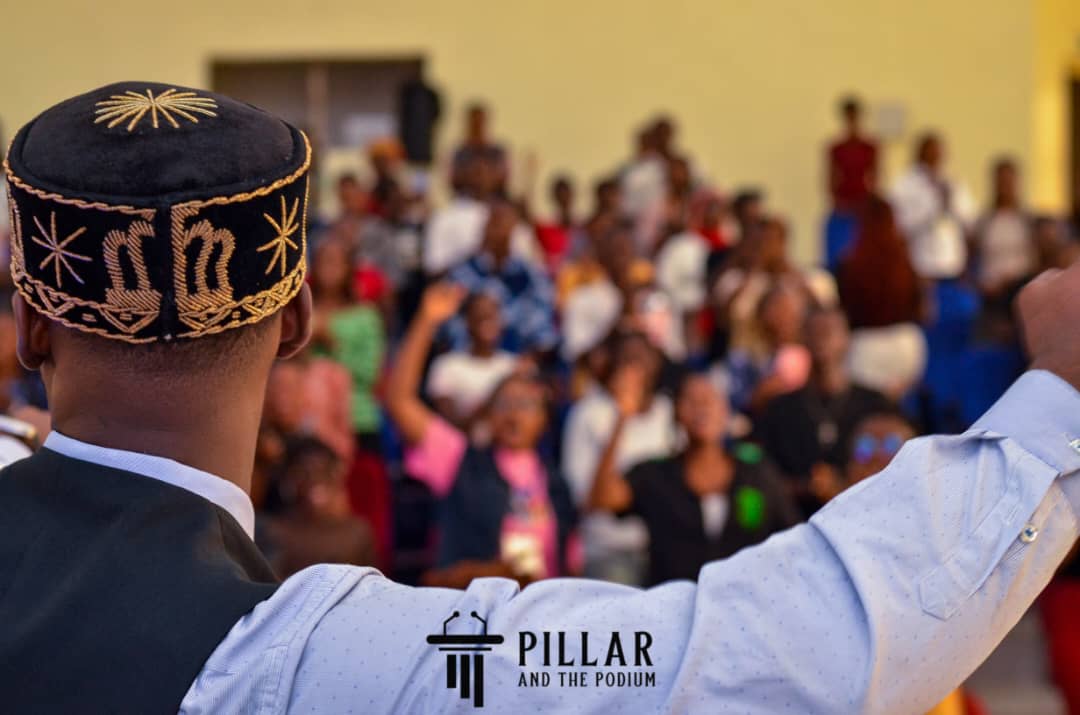
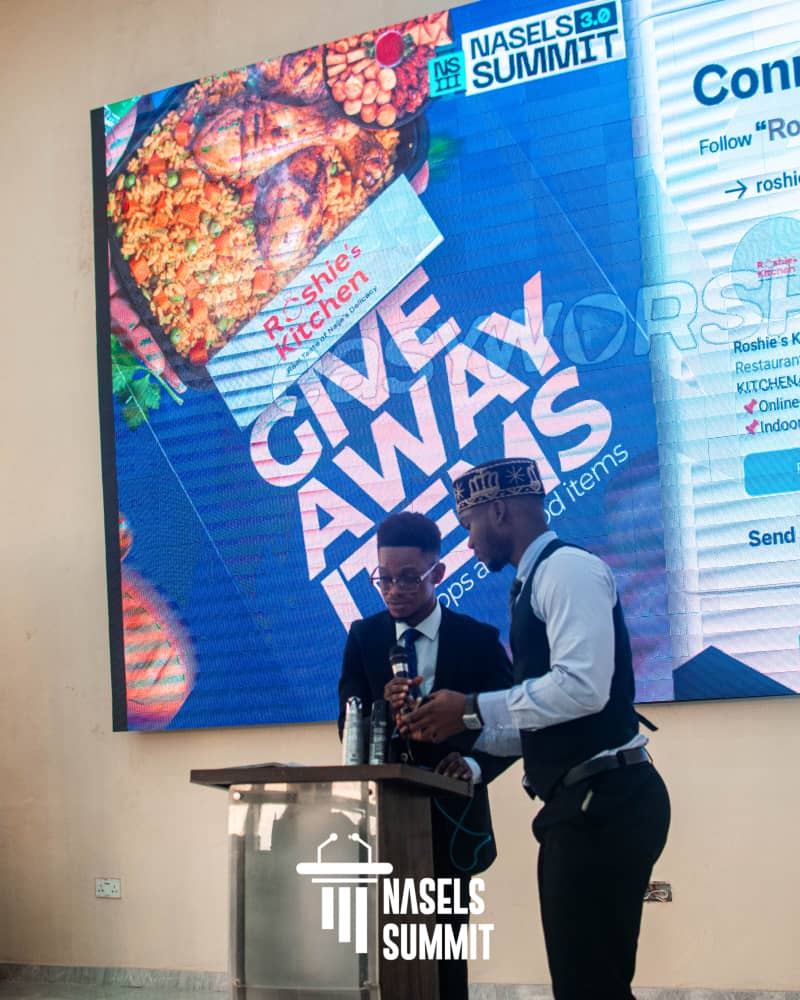
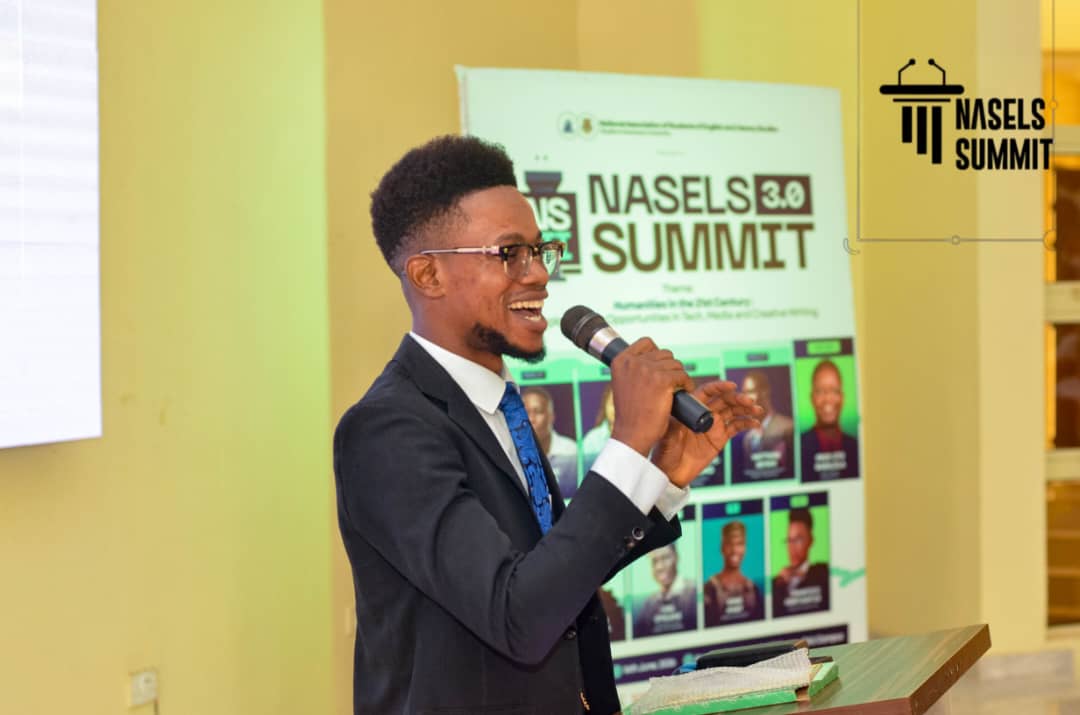
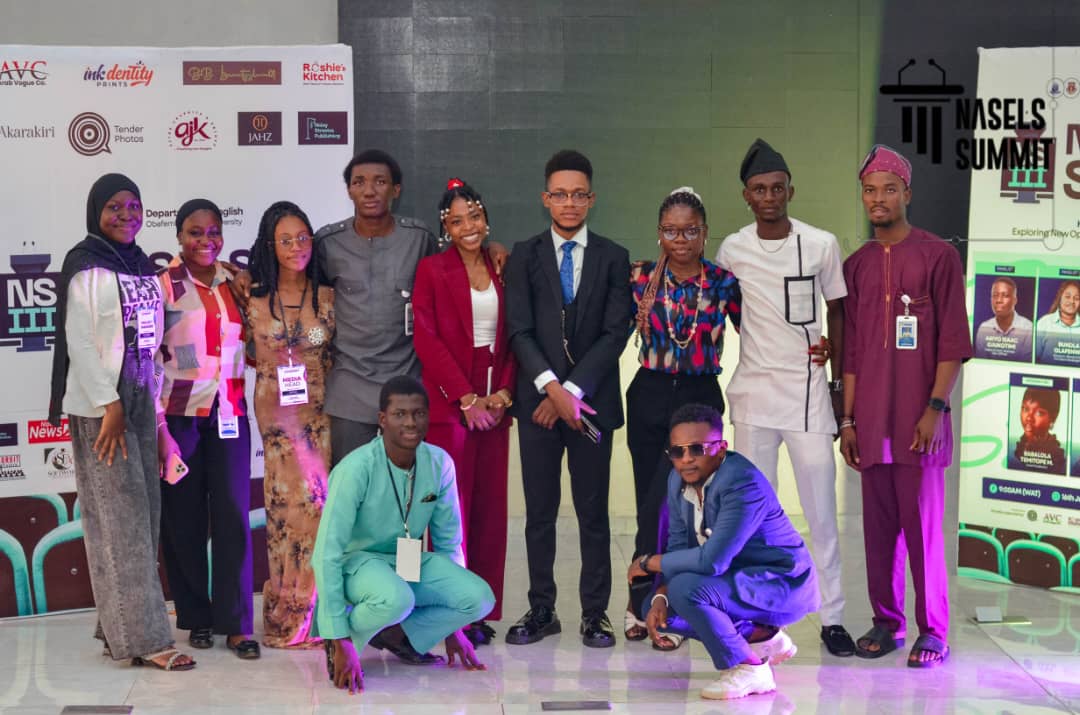
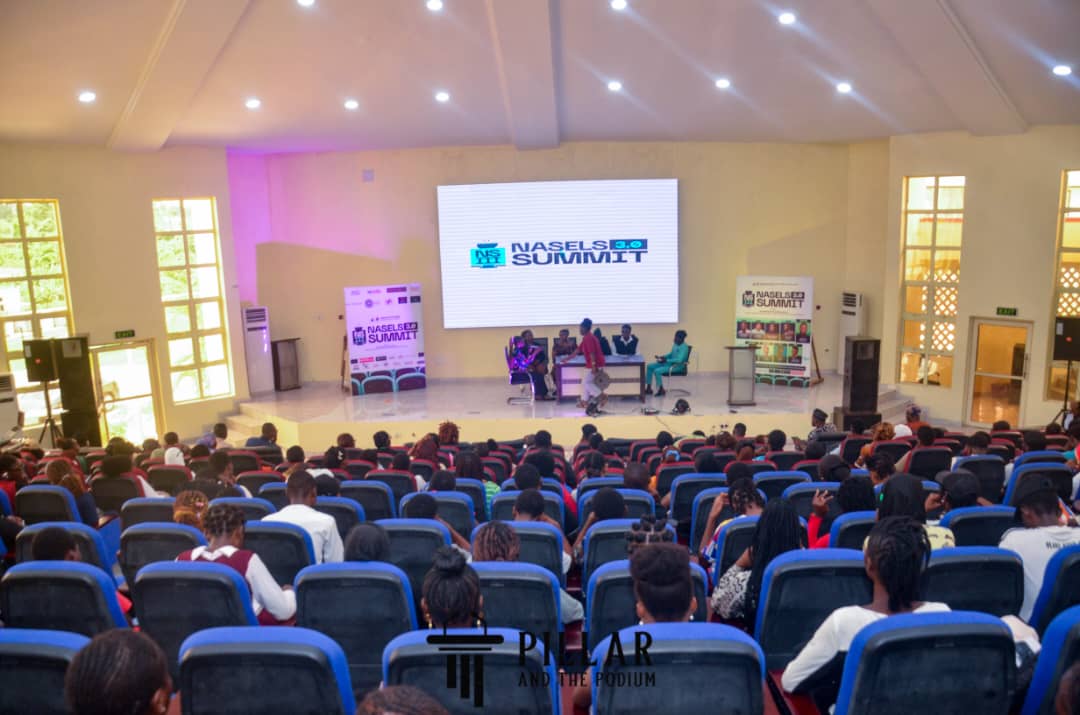
The NASELS SUMMIT 3.0 was, as its name suggests, the third of an annual corporate student-oriented event aimed at providing insights for career development and an avenue for creative exhibitions for students within the Department of English, Obafemi Awolowo University. While it was a third edition, previous editions lacked documentation and established funding partners, which was a problem that brought our ideation of the event down to a new incubation stage. Thankfully, we started planning about five months before the event, so we had enough time to thoroughly brainstorm our ideas. I was the lead curator, as the president of the department’s students association (NASELS). I was blessed with a resourceful team, but to truly effectively concretise our plan for the event, we had to create a separate 4-man project planning team, where we discussed what we really wanted to offer students. The plan for this event was not only to educate students but to make it enjoyable. It was a plan that took into account various students’ grudges with formal events. Most formal events are perfunctory for money yields or achievement records and never really cater for the attendees’ true satisfaction. We weren’t about to have an event that would only look good in pictures or present students as mannequins for speakers and sponsors to look good. We considered durations, attractions, and refreshments with respect to students’ attention span, interests, and hunger tendencies. This was a contemporary youth gathering we were setting up. Adults can hold and sustain; youths today are TikTokers, social media addicts, fun-loving, education-bored fireflies. We needed to infuse education and growth into entertainment. And that we did. We needed huge funding to up the class of the event so merely entering the venue would give the attendees a feeling their appearance was worth the while; we needed industry experts to educate the students on contemporary opportunities within the field of study and how to navigate them; we needed the learning to be dynamic, so it doesn’t end up as one long event of boring teaching after teaching. Students have had enough of teaching. They need straight answers and controlled discussions amidst... fun; everything needs fun these days. So, firstly, we centred the event around Creative Writing, Media and Technology (cause, of course, technology leads the way today). Rather than uncontrolled long speech presentations, we opted for the more interactive panel-session style, and to make it dynamic, we introduced a breakout session for a mini workshop. To make meaning of this, we sought out partner companies across the three fields we highlighted, they collaborated with us, handling significant parts of the funding, leading novel initiatives (like a N200,000 Storytelling Prize), providing industry experts for the panel session and mini workshops, and presenting giveaways for student participants. It wasn’t an easy task. The funding for the full event was a headache that persisted even till days before the event. We reached out to brands, alumni, and creative organisations who gave tangible sponsorship that eventually met our financial needs for the event. But the fun part of the event also needed planning. We called for student creatives to perform at the summit. We auditioned and selected the best performers, and they simply wowed the audience, who enjoyed seeing their colleagues stepping up to perform exceptionally on stage. We paid for an amazing MC who constantly kept the students' excitement in the room amidst the learning programmes. We got outstanding giveaway items and handsome refreshment packages, which earned the planners accolades from all attendees.
Community Action