- House of Assembly, Agidingbi, Alausa, Ikeja, Lagos State, 100581, Nigeria
- 27 January 2026
- Comrade Huncho
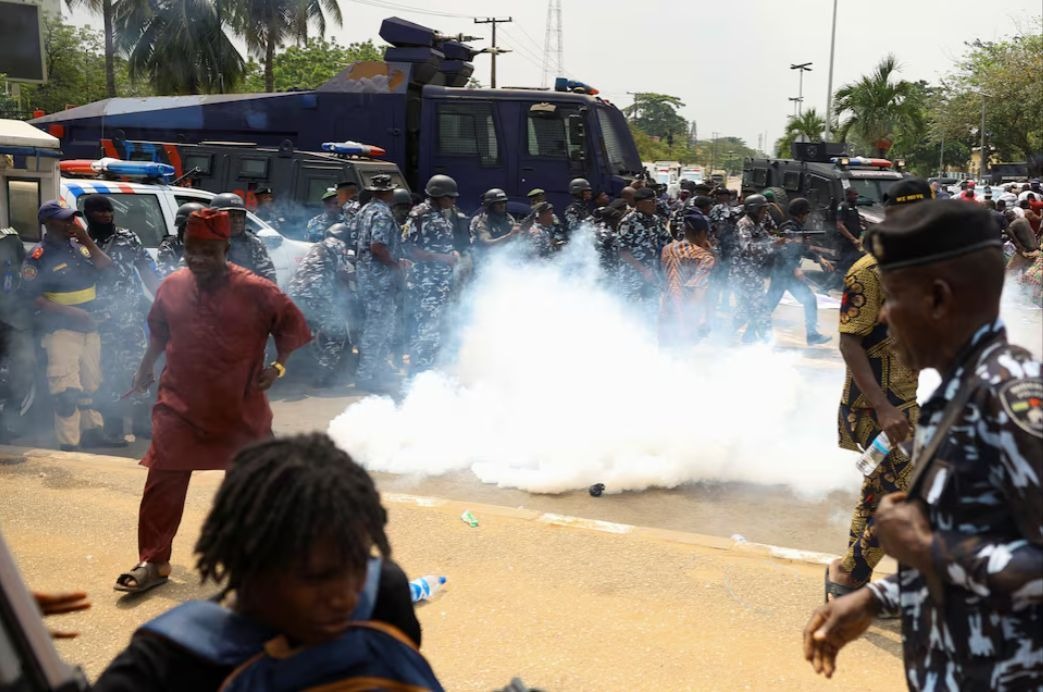
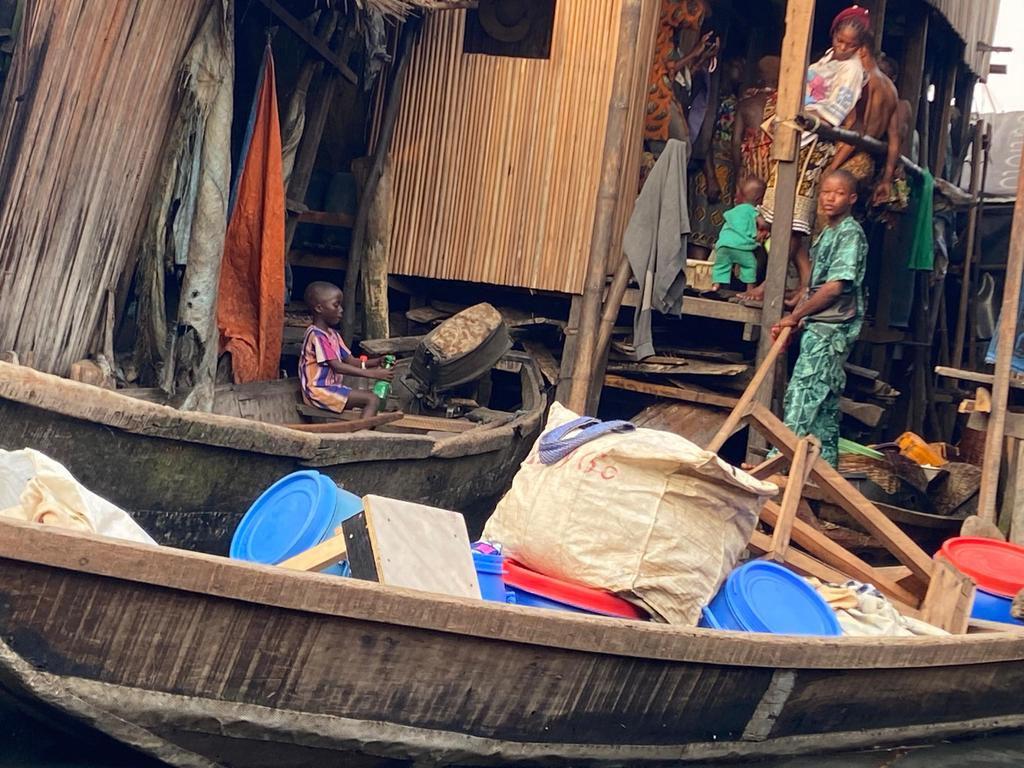
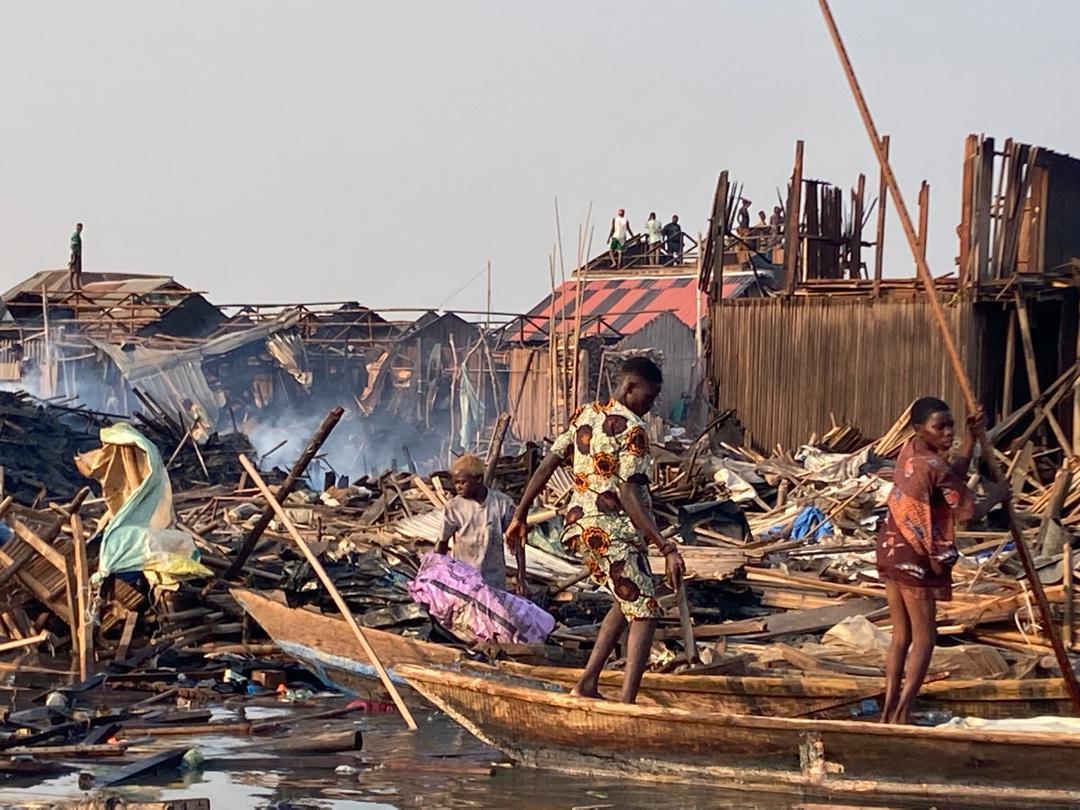
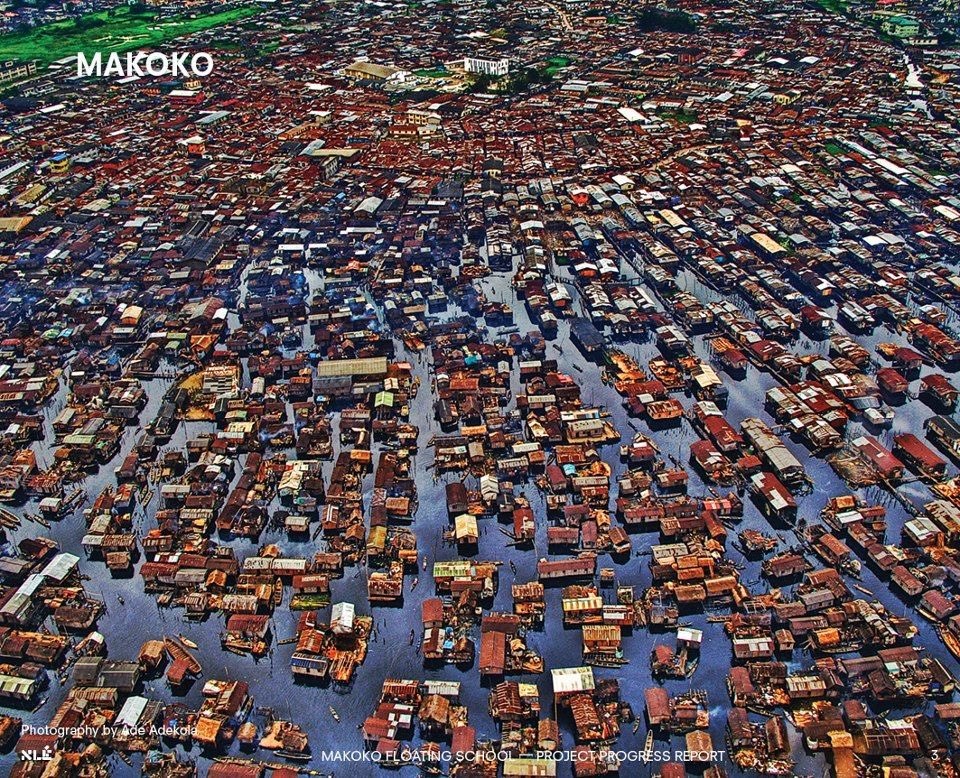
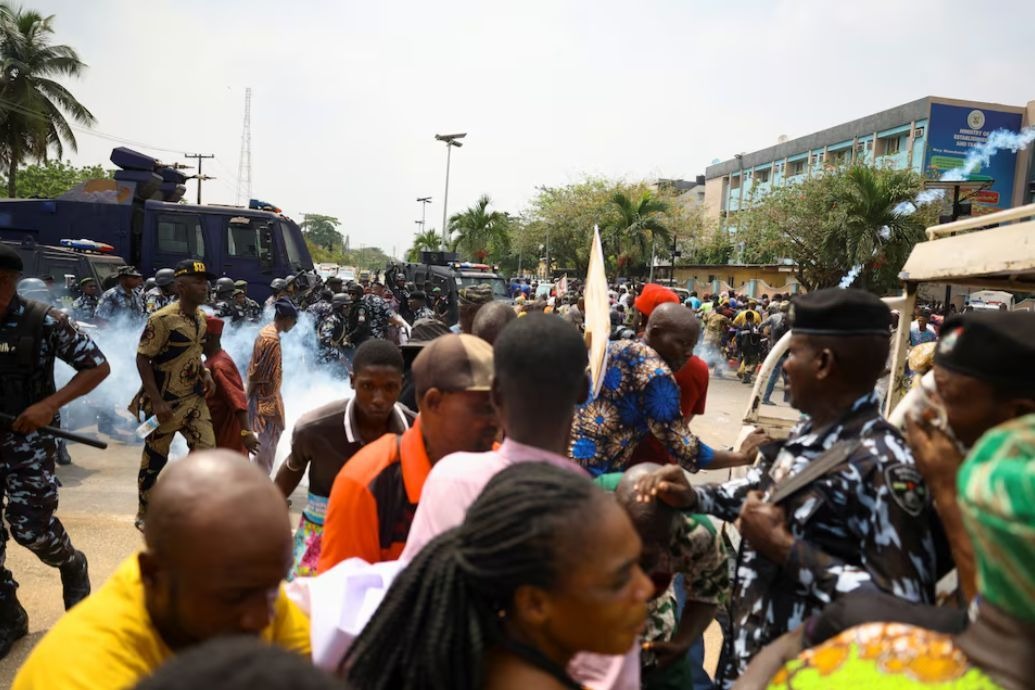
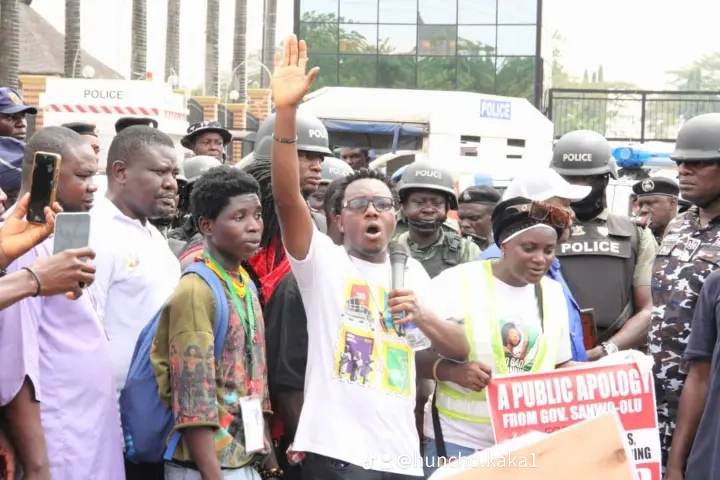
To understand the struggle of the people of Makoko, we must first understand their history, their relationship with the land and water, and the circumstances that have shaped their existence over generations. What is happening in Makoko is not merely a housing dispute or an isolated case of urban demolition. It is a reflection of the broader class contradictions within Nigerian society, where the interests, livelihoods and fundamental rights of the working class and the urban poor are repeatedly sacrificed in the name of urban development, modernisation and economic expansion. For generations, Makoko has been home to thousands of people whose lives and livelihoods are deeply connected to the Lagos waterfront. Fishermen, traders, artisans, women, children and ordinary poor-peasant families have built their lives around this community. It is where people were born, where families were raised, where friendships and social relationships were established, and where generations have struggled to make a living through fishing, trading and other forms of informal economic activity. For these residents, Makoko is not simply a collection of wooden structures built over water. It is a living community with a history, an identity, an economy and a social structure. Behind every house stands a family. Behind every demolished structure is someone's years of sacrifice, labour and hope. Behind every displaced household are parents whose livelihoods are threatened and elderly people whose entire social support systems are suddenly taken away. Yet, despite their contributions to the economic and social life of Lagos, these common people continue to confront a system and government that his more interested with transforming the physical appearance of the community and attracting economic investment, than protecting and contributing to the people who sustain it. It important to provide an historical context to the issues of Makoko. To understand this history, we must revisit the 1990 demolition of Maroko. Where thousands of residents were displaced from their homes, with many struggling to secure alternative accommodation or rebuild their lives. Some subsequently relocated to other parts of Lagos, including communities such as Makoko. The housing crisis in Makoko did not emerge overnight. It is connected to decades of government policies towards informal settlements, urban poverty and low-income communities across Lagos State. Communities inhabited by common working people are constantly treated as obstacles to modernisation rather than as places where human beings have established their lives. In April 2005, approximately 3,000 residents were reportedly forcibly evicted. Homes, churches, medical facilities and other community structures were demolished. Amnesty International documented serious concerns regarding inadequate notice, consultation, compensation and alternative accommodation. The community experienced further demolitions in 2010 and 2012. During the July 2012 exercise, more than 4,000 people were reportedly displaced. But the people of Makoko did not simply surrender to these circumstances. They organised, challenged government decisions, mobilised solidarity and pursued legal avenues to defend their rights. Their resistance demonstrated something important that, ordinary people are not powerless spectators in the decisions that determine their existence. They have the capacity to organise collectively, challenge injustice and demand accountability. December 2025: Another chapter in the struggle for survival On 23 December 2025, the Lagos State Government commenced another demolition exercise in Makoko, initially citing the need to establish a safety setback around high-voltage electricity infrastructure. Government authorities maintained that the exercise was necessary for public safety. However, residents and community leaders raised serious concerns that the demolitions extended beyond the initially communicated boundaries. They also questioned the absence of adequate consultation, compensation and resettlement arrangements. By January 2026, the situation had escalated considerably. Families were losing their homes. People who had spent years building their livelihoods were suddenly confronted with the possibility of losing everything. Fishing activities, trading and other water-based economic activities were disrupted. The destruction of homes was accompanied by the destruction of the economic and social foundations upon which many families depended. More painfully, the struggle took a human toll. Then I had to come in into the struggle as well as many other comrades and Civil society organization, we set up meetings inviting the residents and other displaced communities. We engage in series of discussion on what practical action needed to be carried out. Many of us visited the Makoko community to witnessed the demolitions going on there, During one of the visit to the community, we we're told some police officer came and fired tears gas during the confrontation surrounding the demolition exercise and with proven evidence that three people, including two children and an elderly woman, died following the use of the tear gas. Other residents reportedly experienced serious respiratory complications. Imagine waking up one morning to discover that the place you have called home for decades is being demolished. Imagine watching the structure you built through years of hard work disappear, while having no clear answer about where your family will go next. Imagine being a child whose home, neighborhood and familiar environment suddenly disappear, without understanding why the people responsible for protecting your welfare have become the source of your uncertainty. On 13 January 2026, residents under the banner of the Makoko Community Development Association, protested against the demolitions and challenged further demolition activities in parts of the waterfront. Two days later, on 15 January, the people of Makoko and civil society organisations, including Corporate Accountability and Public Participation Africa (CAPPA), all agreed we took their demands to the Governor's Office and Lagos State House of Assembly in Alausa. The demands was an immediate halt to the demolitions, compensation for affected families and accountability from the state government. Also punishment for the officers who fired tears gas into the community. Two weeks after, the demolitions continues, the living condition of the people got deteriorated and then the resident of Makoko and other displaced community facing eviction agreed to carry out a mass action. Faced with the destruction of their homes and livelihoods, residents refused to accept displacement as an inevitable consequence of urban development. On 27 January 2026, Every communities facing eviction and displacement in Lagos state, came out to protest and demand accountability from the government and system. More than 2,000 residents and supporters participated in the demonstrations and mobilisation around the Lagos State House of Assembly, expressing their dissatisfaction and demanding that the state government address their concerns. But the response from the security apparatus further exposed the contradictions surrounding the crisis. The protests were met with police intervention, the Nigeria police use tear gas against residents and comrades. I was fired two cannister on that day in the process resisting arrests of Hassan Taiwo and Arole Fela. This comrades are subsequently facing court proceedings. Rather than treating these grievances as legitimate demands from citizens whose lives had been disrupted, the situation became another confrontation between ordinary people demanding accountability and state institutions exercising coercive power. These actions represented an important development in the struggle. What had initially been experienced by individual households as the loss of homes had become a collective demand for housing rights, social justice, community participation and human dignity. Development should not be measured exclusively by modern buildings, attractive infrastructure, commercial investments or impressive skylines. It must also be measured by the quality of life of ordinary people, access to affordable housing, economic security, public health, education and the protection of fundamental human rights.
Community Action