PraxisAsItIs

DSC_0088
Obafemi Awolowo University, Ile-Ife
6 June 2026
Hairat O. Balogun

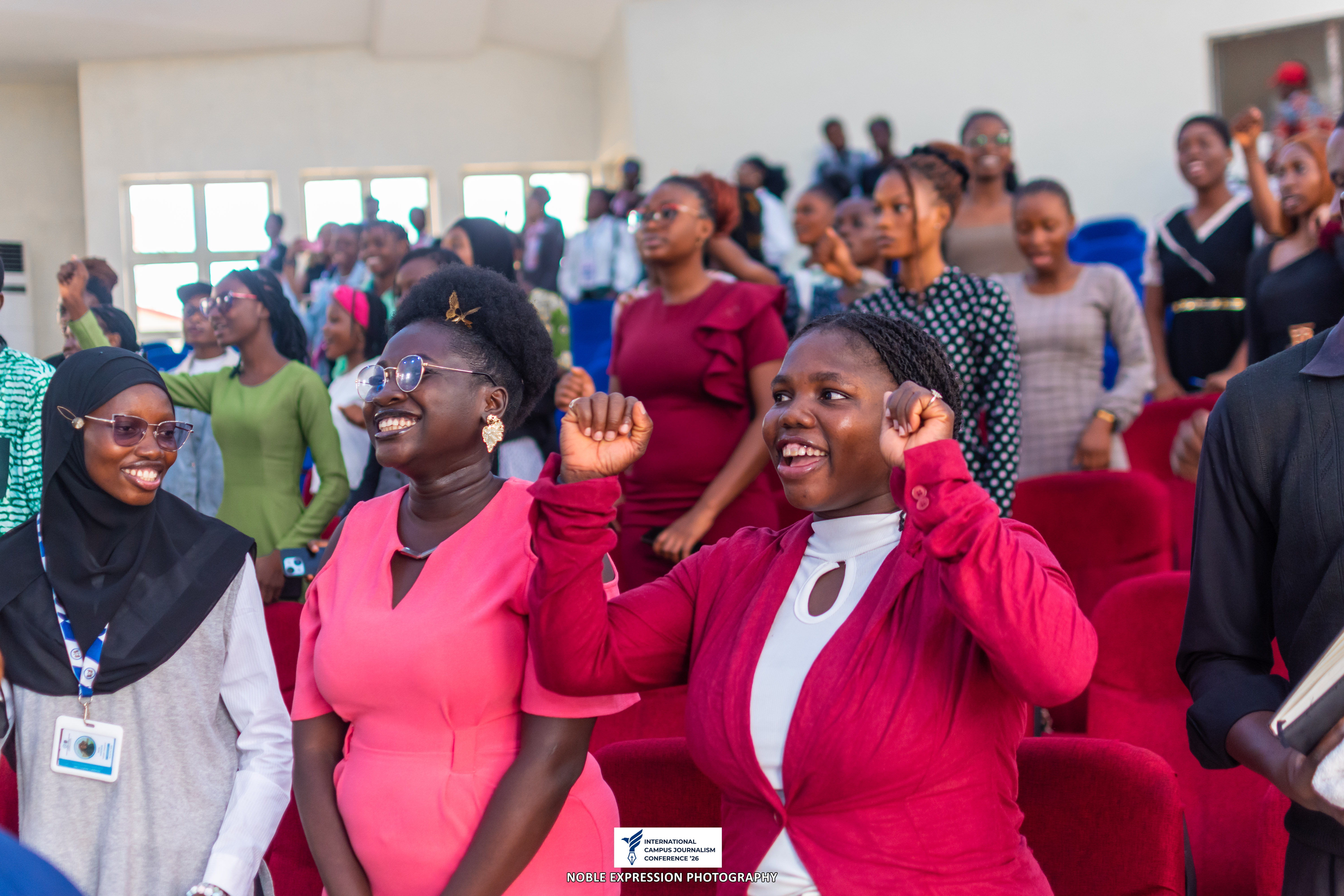
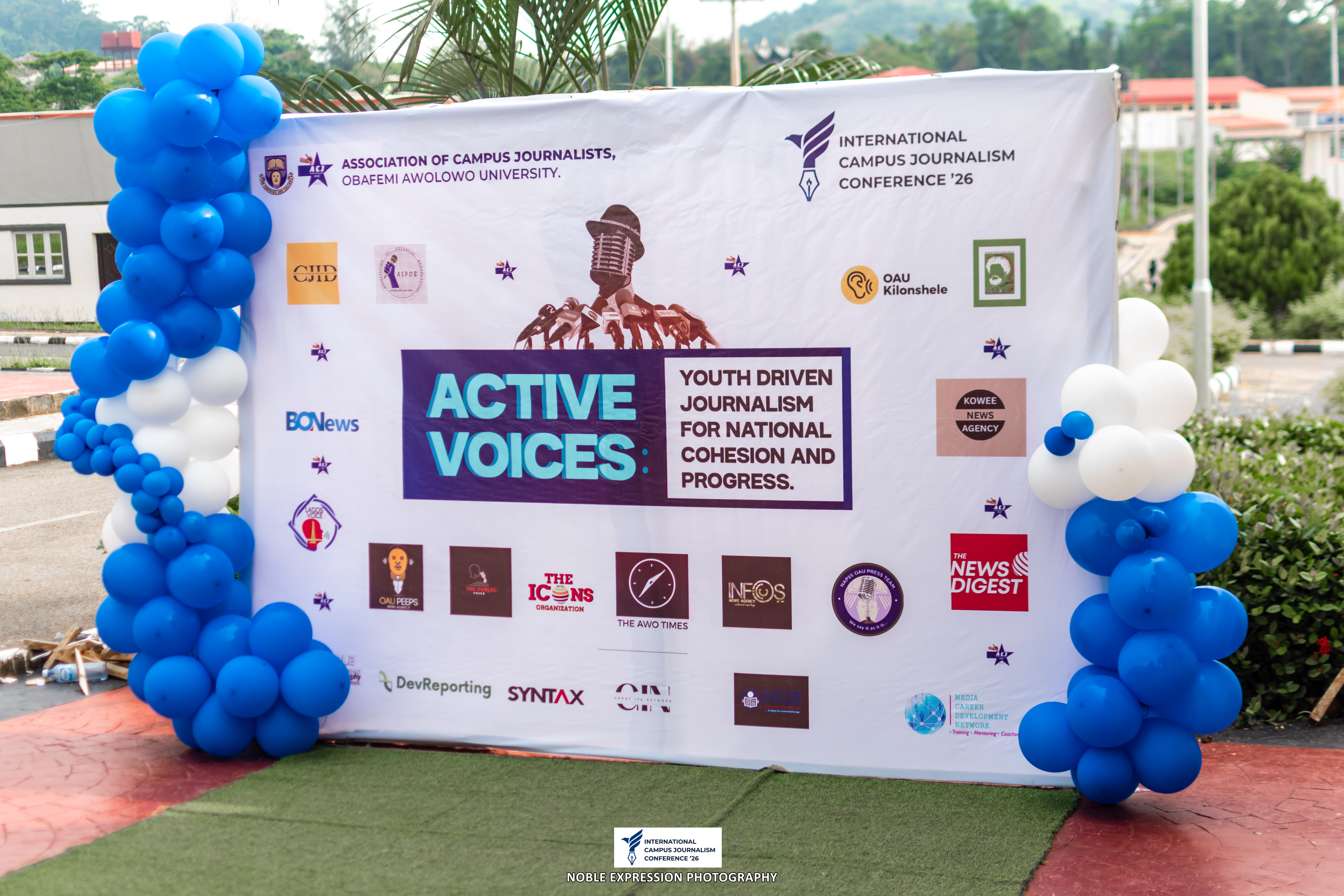
In almost every industry and at every level, employers increasingly ask for a certain kind or level of experience. Even though, ideally, entry roles should enable workers to learn while doing, the reality is different now. That gap is what the International Campus Journalism Conference (ICJC) tried to bridge. It was a gathering of youths­­—campus journalists from different universities and aspiring campus journalists, too—to learn, network, meet industry experts and stay up to date with developments in the journalism space. Experts from various newsrooms, who had transitioned from campus journalism to the mainstream space, shared insights on journalism trends, tips to help up-and-coming writers and the challenges they face in their work. As an association, we went in with clear plans: let’s bring experts here to know what their newsrooms require; let’s learn how to use our journalism skills for nation-building; let’s secure a place for members of the Association of Campus Journalists, Obafemi Awolowo University (ACJ-OAU), albeit temporary, in these newsrooms while they are still campus journalists. In the broadcast team, I assisted with coordinating the team, drafting and editing interview questions, interviewing students from OAU and other schools regarding their expectations of the conference, their reasons for attending, and, at the end of the event, their key takeaways. I got to speak to new people in a way that did not feel like I was working. I was simply socialising, which I loved very much. There were challenges in this team, mainly because of poor funding. The association lacked some basic tools necessary for a proper broadcast, such as a tripod, extra lapel mics and a camera. To salvage the situation, we borrowed what we could from members of the team, including a phone with a good camera in place of a proper one. It worked out. Being a part of the broadcast team allowed me to experience another side of the conference: the work involved in making an event and its conversations accessible to an audience beyond those physically present.

Community Action

File 02

What did we learn?

Journalism involves considerable work beyond the 800-word articles and 2-minute clips the audience interacts with. From coordination to logistics and teamwork, all of these come together behind the scenes to make a great production. If one part is lacking, it eventually affects the output, as what the audience experiences depends on the different components (people) making up the team. I became more aware of the difference between participating in an event and documenting it. Comparing this year’s ICJC with past ones, I realised that before, I could absorb the discussions almost immediately and directly. This year, serving in the broadcast team meant documenting and broadcasting first and internalising later. So, for the most part, I was physically separated from many of the conversations. Yet documentation is a huge part of organising itself. Records, such as pictures and videos, are more than mere mementoes. They are pointers to what we have done well and what we can improve on. Without them and the willingness to improve, we would simply keep repeating the same practices without ever growing. Documentation also carries the conversation further. The people physically present are not necessarily the only ones who can participate in these conversations. And this is where broadcast works. It extends the reach of these conversations, allowing people who are not in the room to encounter the ideas and experiences being discussed. One thing no one really prepares you for is how nature and technical limitations can conspire to undermine your efforts. Imagine a scenario where the sun decides not to appear at a moment when you are supposed to film an interview with one of the speakers, and you do not have an LED light to help with video clarity. Or realising, after your interviewee has already taken their seat in the hall, that you never pressed record. It could have been worse, and I now check everything before an interview begins.

File 03

What is still unclear?

Even though I went to the event hoping to experience the conversations directly, my role in the broadcast team meant that I largely experienced the conference through the work of documenting it. I keep asking myself how that shaped my experience of the conference, and whether, because of my work, I did not get the ‘full package’ out of it… At the core of broadcast is documentation and dissemination to a larger audience. But how much gets retained when an experience is mediated through the lens of a camera? How much gets ‘lost’? Some editorial selection is obviously at play here. Of course, it is impossible to broadcast every moment of the conference, given the shortage of resources we had to battle. Still, cuts have to be made from the array of clips, which means carefully selecting the moments to show. What then are the criteria that determine the clips and frames that make it to the final edit? Do we prioritise giving viewers a multifaceted experience, allowing different moments and perspectives to coexist in the final broadcast, or do we selectively present clips that show the organisation in an ideal light? This experience made me think about the mainstream media: are the articles and videos we consume truly representative of the realities we think they portray? This has also made me more conscious of my position within the process of documentation. I am beginning to see that beyond what the camera captures, the decisions made behind it inevitably shape the reality that is eventually presented. This leaves me questioning how I can participate in documentation in a way that remains faithful to the complexity of an experience, rather than reducing it to the moments that are most convenient or visually compelling. I am still thinking about what responsible selection looks like in practice and how we can integrate multiple dimensions of an event without losing the coherence of the story we are trying to tell.

Media

Gallery

DSC_0119

Image credit, Praxisasitis team

DSC_0142

If any of these media items belong to you, please inform us so we can appropriately acknowledge you.